
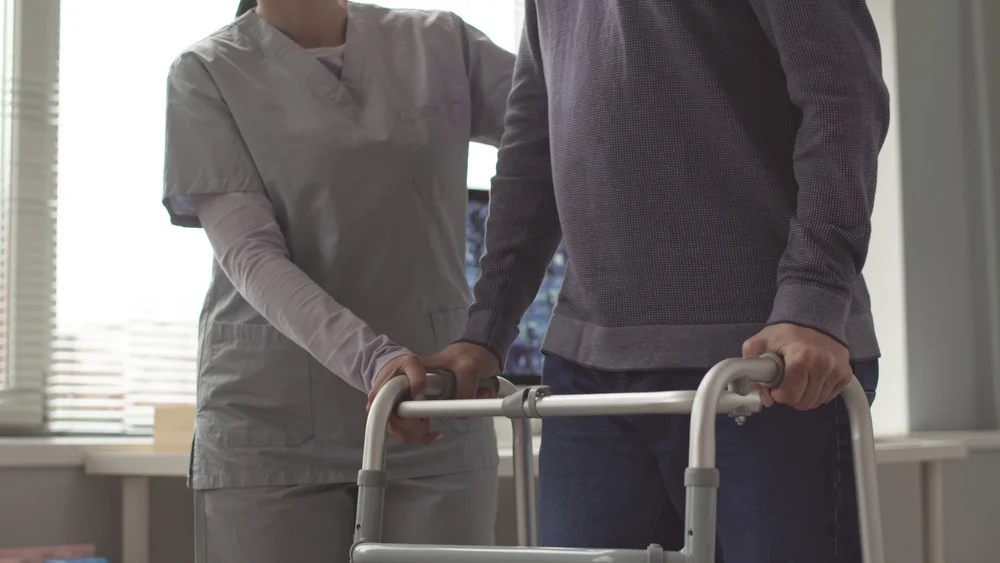
Rehabilitation is not a single phase of care. It is an ongoing process that changes as an individual’s condition, capabilities, and long-term outlook evolve. While many people think of rehabilitation services as occurring immediately after an injury or diagnosis, the reality is far more complex.
Effective rehabilitation services are not static. They adapt over time, shifting in focus from acute recovery to long-term function, independence, and quality of life. Understanding how these services evolve is essential for making informed decisions and avoiding gaps in care.
The Early Stage: Stabilization and Immediate Recovery
In the initial phase following an injury or medical event, rehabilitation services are focused on stabilization and early recovery. This stage often begins in a hospital or inpatient setting, where the priority is addressing immediate medical needs while preventing further complications.
Rehabilitation at this stage may include physical therapy to maintain mobility, occupational therapy to support basic daily functions, and early interventions designed to minimize long-term impairment. The goal is not full recovery, but rather to establish a foundation for what comes next.
Decisions made during this phase can have lasting implications. Early rehabilitation services play a critical role in determining how effectively an individual progresses into the next stage of care.
The Transitional Phase: Regaining Function
As the individual stabilizes, rehabilitation services begin to shift toward restoring function. This phase often takes place in outpatient settings, specialized rehabilitation facilities, or through coordinated home-based care.
The focus becomes more targeted. Therapy is structured around improving strength, coordination, and the ability to perform daily activities with greater independence. Progress is often measurable, and goals are adjusted based on how the individual responds to treatment.
However, this stage is also where variability becomes more apparent. Not every individual recovers at the same pace, and not all conditions follow a predictable path. Rehabilitation services must remain flexible, adapting to both progress and setbacks.
Without proper coordination, this phase can become fragmented. Multiple providers may be involved, and without a clear plan, continuity of care can suffer.
The Long-Term Phase: Adapting to Ongoing Needs
For many individuals, rehabilitation does not end once initial goals are achieved. Instead, it transitions into a long-term phase focused on adaptation.
At this stage, rehabilitation services are less about recovery and more about maintaining function, preventing decline, and supporting independence. This may include ongoing therapy, assistive equipment, environmental modifications, and support services that address evolving needs.
Chronic conditions, neurological injuries, and complex orthopedic cases often require this level of sustained support. Over time, needs may change due to aging, secondary complications, or changes in functional ability.
Rehabilitation services must evolve alongside these changes. A plan that worked six months ago may no longer be appropriate, making regular reassessment essential. This becomes even more important when considering that, according to the National Committee for Quality Assurance, only about 50% of older adults have engaged in advance care planning, highlighting how often long-term needs go unaddressed until challenges arise.
Why Rehabilitation Services Must Evolve
One of the most common challenges in long-term care is assuming that early rehabilitation plans will remain effective over time. In reality, needs rarely stay the same.
Physical recovery may plateau. New limitations may emerge. External factors, such as changes in living environment or support systems, can also impact care requirements.
Rehabilitation services must account for these variables. This means moving away from a one-time plan and toward an ongoing process of evaluation and adjustment.
When rehabilitation does not evolve, gaps in care begin to form. These gaps can lead to functional decline, increased dependence, and higher long-term costs.
The Role of Ongoing Assessment
Continuous assessment is what allows rehabilitation services to remain effective over time. It provides the insight needed to determine whether current interventions are working and what changes may be required.
A comprehensive approach considers not only medical status, but also functional ability, daily living challenges, and overall quality of life. This broader perspective ensures that care remains aligned with the individual’s actual needs, rather than assumptions.
Regular reassessment also allows for early identification of potential issues. Addressing these issues proactively is often far more effective than reacting after problems arise.
Coordination Across the Entire Timeline
As rehabilitation services evolve, coordination becomes increasingly important. Early-stage care may involve a smaller team, but long-term care often includes multiple providers across different settings.
Without a centralized approach, communication can break down. Services may become duplicated, or critical components of care may be overlooked entirely.
A coordinated framework ensures that each phase of rehabilitation builds on the previous one. It creates continuity, even as care needs change, and helps maintain a consistent standard of care over time.
This is particularly important in complex cases, where small gaps in coordination can lead to larger complications.
The Connection Between Rehabilitation and Long-Term Planning
Rehabilitation services are closely tied to long-term planning. As needs evolve, so do the resources required to support those needs.
Understanding how care will change over time allows for more accurate planning, both clinically and financially. It provides a clearer picture of what will be required in the months and years ahead.
This is where rehabilitation services and life care planning often intersect. Together, they create a structured approach that not only addresses current needs but also anticipates future ones.
Common Gaps in Evolving Rehabilitation Care
One of the most common issues is the assumption that rehabilitation ends after initial recovery. In many cases, individuals are discharged from structured care without a clear long-term plan.
Another challenge is the lack of reassessment. Without periodic evaluation, changes in condition may go unaddressed until they significantly impact function.
There is also often a disconnect between providers. When communication is limited, care becomes fragmented, and outcomes can suffer.
Recognizing these gaps is the first step in avoiding them. Rehabilitation services should be viewed as a continuum, not a one-time intervention.
A More Adaptive Approach to Rehabilitation Services
Rehabilitation is most effective when it is treated as a dynamic process rather than a fixed plan. As needs evolve, care must evolve with them.
This requires a proactive approach that emphasizes ongoing assessment, coordination, and long-term thinking. It also requires recognizing that recovery is not always linear and that adjustments are a natural and necessary part of the process.
For individuals navigating complex conditions, having rehabilitation services that adapt over time can make a significant difference in both outcomes and quality of life.
Moving Forward with Clarity
Rehabilitation services are not defined by a single stage of care. They are defined by how well they respond to change.
As conditions evolve, so do the challenges and opportunities associated with recovery. A structured, adaptive approach ensures that care remains aligned with those changes, providing consistency even as needs shift.
For those seeking rehabilitation services in Buffalo, NY, taking a long-term view is essential. The most effective approach is one that not only supports recovery today but continues to adapt and guide care into the future.